
Engineered timber, explained

Storing carbon, not emitting it
Construction is responsible for roughly 42% of global CO2 emissions. More than 90% of the materials used in construction eventually become waste. But wood works differently. It is the only structural material that draws CO2 out of the atmosphere and holds it for decades. One cubic metre of timber can store up to 0.8 tonnes of CO2, locked in for as long as the structure stands.
In countries with mature timber construction sectors, like Austria and Sweden, mass timber has moved from niche to standard practice: a structural, engineered, and climate-relevant choice.
Faster, cleaner, more precise
Panels are fabricated off site to millimetre tolerances, with openings for windows and doors already in place. Prefabricated components shorten build time by 25 to 50%, and can reduce a site’s carbon footprint by as much as 70%, simply by moving the work indoors: less waste, less disruption, less exposure to weather and error.
Engineered timber construction is not faster because corners are cut. It is faster because the work that matters happens earlier, under controlled conditions, before the first truck reaches the site.
The myth on fire
Fire is the question most people ask first about a timber building, and it deserves a straight answer rather than a reassurance.
CLT and glulam elements are large, solid components. Exposed to fire, they do not ignite rapidly. They char on the surface, and that charred layer becomes its own protection, slowing further burning and preserving the structure underneath. In many cases, engineered timber holds its load-bearing capacity longer than unprotected steel, which loses strength quickly at high temperatures.
The relevant question is not whether wood burns. It is how it burns, and how the building is engineered around that fact. At Ligno Living, fire safety is built into the design from the first drawing: through the behaviour of the material itself, the engineering of each connection, and compliance with the same strict standards that govern any structural building material.
Why it feels different
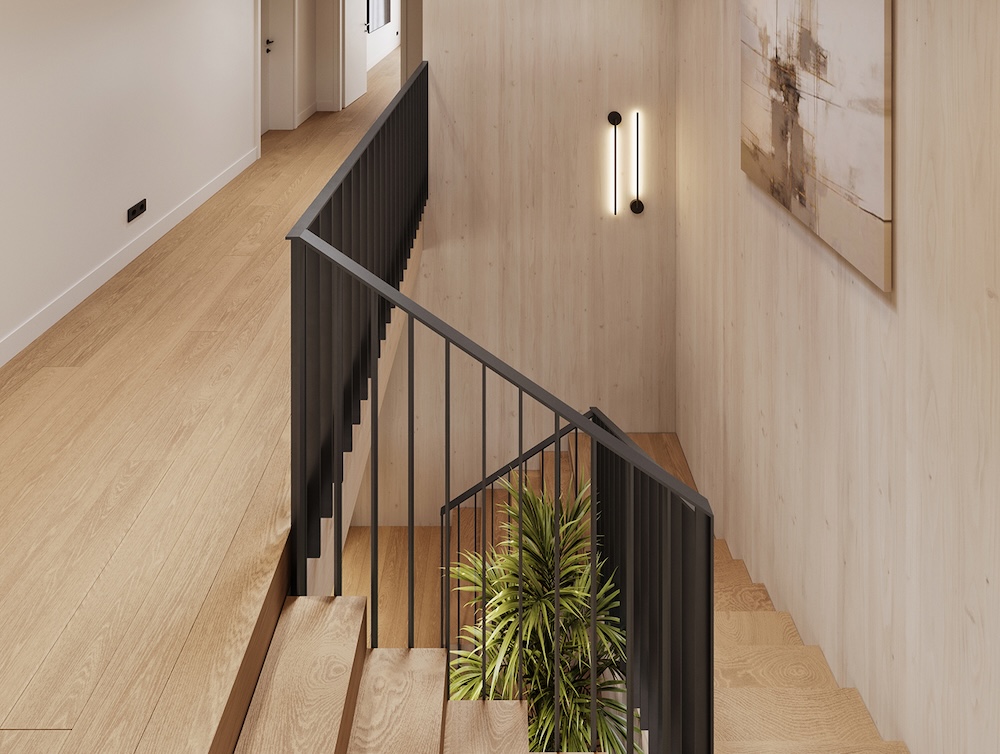
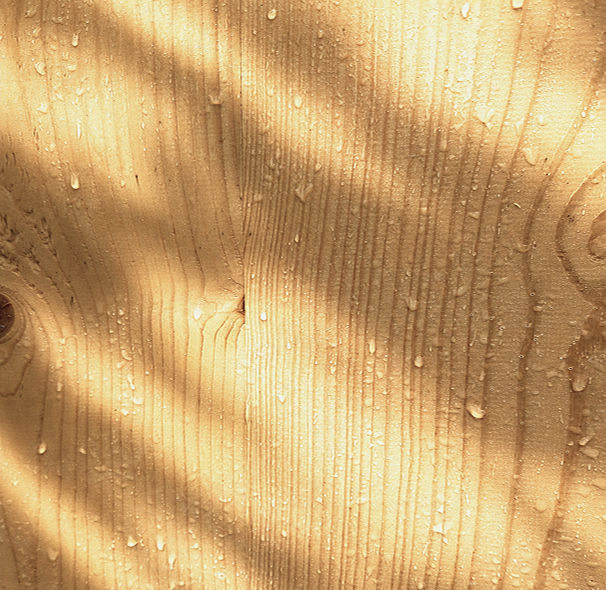
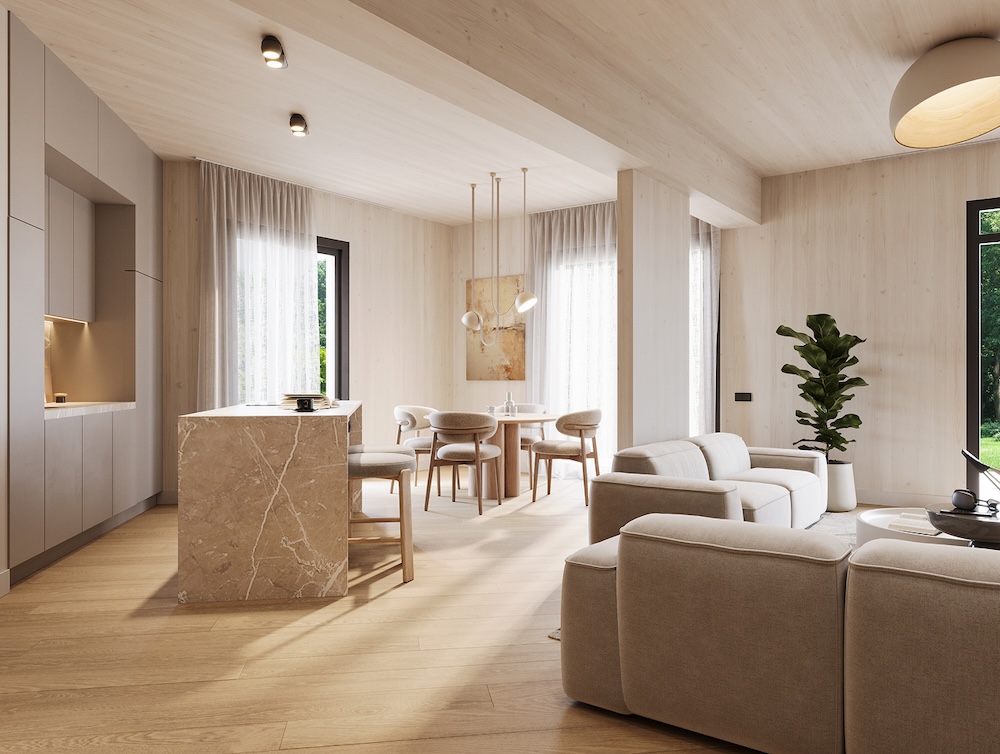
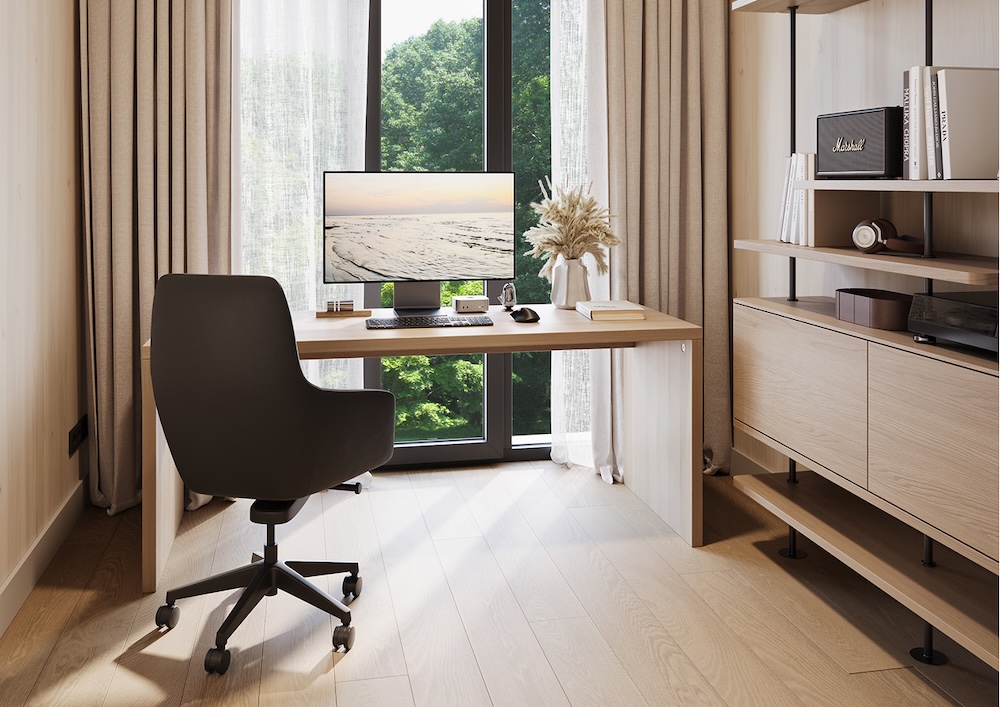
Wood stabilises humidity, softens sound and holds warmth. A timber interior holds a different climate from a concrete one, measurable and also simply felt. Common in the Alps and Scandinavia, still rare in the Baltics at this quality.